
Exploring Traditional Botanicals in Modern Herbal Research
Botanical ingredients have played an important role in traditional health practices across cultures for centuries. Today, many of these plants are also subjects of growing scientific interest as researchers explore their phytochemical composition, nutritional content, and potential biological activity. Modern herbal product development often combines traditional botanical knowledge with contemporary research methods. Scientists frequently study the compounds found in herbs, including flavonoids, polysaccharides, alkaloids, and essential oils, to better understand how these plants may interact with biological systems. While historical use provides valuable context, researchers typically approach botanicals cautiously, noting that many herbs may contain biologically active compounds that could underlie their traditional applications, though further study is often needed.
Below are several botanicals that continue to attract attention in both traditional herbal systems and modern botanical research.
-
Botanical ingredients are materials derived from plants that are used in products such as foods, beverages, dietary supplements, cosmetics, and natural health products.
They come from different parts of plants, including:
Leaves (e.g., peppermint, basil)
Roots (e.g., ginger, licorice root)
Flowers (e.g., chamomile, hibiscus)
Seeds (e.g., fennel, coriander)
Bark (e.g., cinnamon)
Fruits or peels (e.g., citrus peel)
These plant materials are typically harvested, dried, and processed into usable forms for manufacturing
-
Traditional botanicals refer to plants historically used in herbal medicine systems such as Traditional Chinese Medicine, Ayurveda, and North American herbal practices
-
Botanical research supports product development in the dietary supplement, food and beverage, cosmetic, and pharmaceutical industries
Aloe Cape and Aloe Vera
Aloe plants have long been recognized for their distinctive gel and latex components and have been referenced in traditional practices across Africa, the Middle East, and parts of Asia. Species such as Aloe vera and Aloe Cape (Aloe ferox) have been used historically in various botanical preparations.
Modern research has examined aloe species for a range of phytochemicals, including polysaccharides, anthraquinones, vitamins, and phenolic compounds. These constituents have been studied for their potential biological activity, including antioxidant interactions and other physiological effects. Because of this diverse chemical composition, aloe powders are commonly incorporated into herbal preparations, nutraceutical products, and cosmetic formulations (Polley et al., 2025; Yadav, 2025).
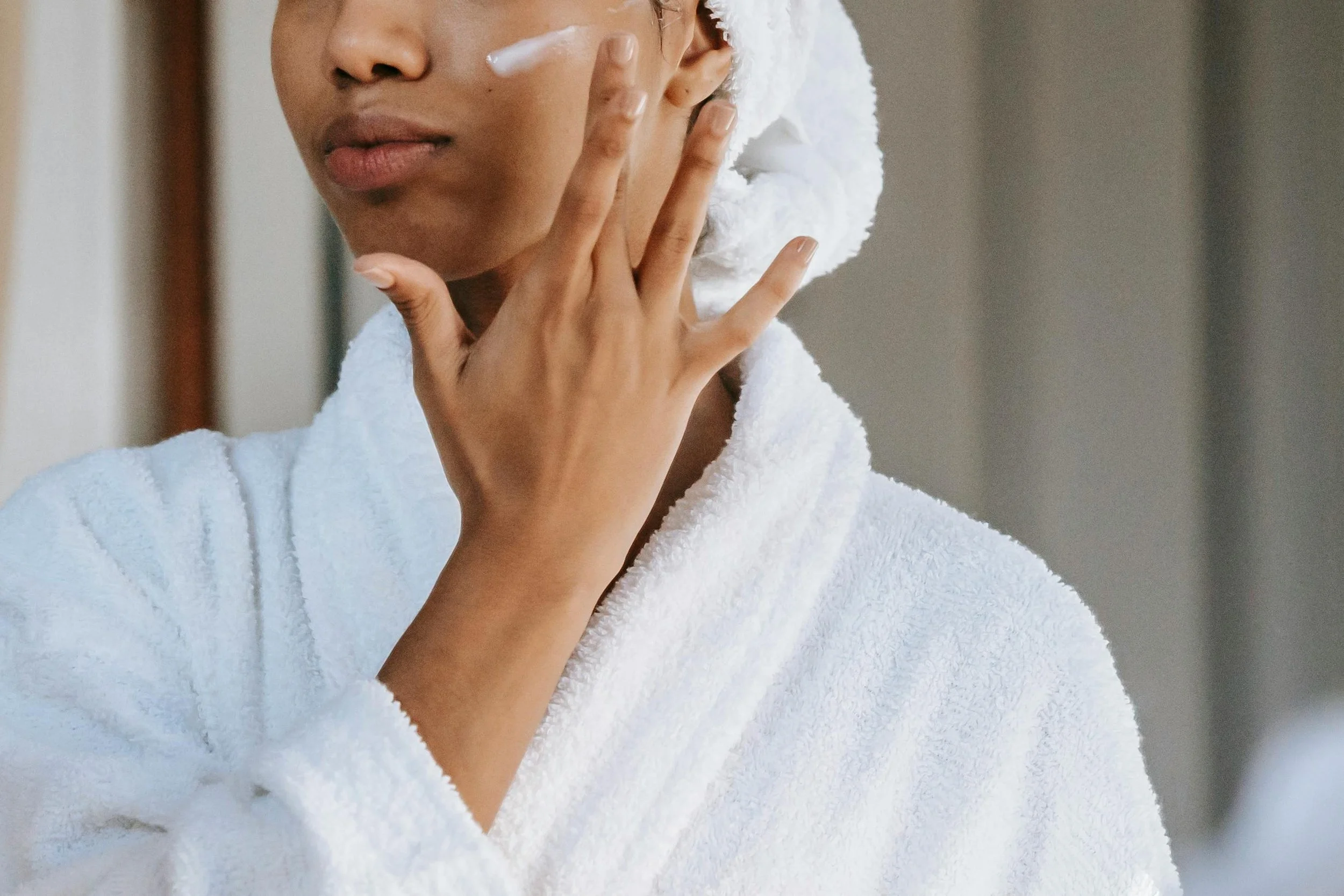
Are you using aloe in your cosmetic formulations?
Our Aloe Vera Powder and Cape Aloe Powder are ideal for skincare and personal care products, offering botanical compounds that may support moisturizing and soothing properties.
Learn more
Aloe Vera → Aloe Vera Ready for Cosmetic Application
Aloe Cape → Aloe Cape Ready for Your Next Formulation
-
Common aloe species include Aloe vera and Aloe ferox (Cape aloe), both of which are used in a variety of botanical, nutraceutical, and cosmetic applications.
-
These are naturally occurring compounds found in plants, including aloe, that contribute to their structure, properties, and potential biological activity.
Polysaccharides are complex carbohydrates made up of long chains of sugar molecules. In plants, they play a role in structure and water retention, and are commonly found in materials like aloe gel.
Anthraquinones are plant-based compounds typically found in the outer layers of certain plants, including aloe. They are studied for their chemical properties and how they interact within plant systems.
Phenolic compounds are a broad group of plant compounds, including flavonoids, that are studied for their chemical structure and interactions, including antioxidant-related activity.
Arnica and Calendula
Arnica flower (Arnica montana) has been used historically in European herbal traditions, particularly in topical botanical preparations. The plant contains several biologically active compounds, including sesquiterpene lactones such as helenalin, flavonoids, and essential oils. These constituents have been studied for their potential biological activity, including antioxidant and anti-inflammatory interactions, which may help explain arnica’s longstanding use in external formulations. While arnica has been examined in clinical and pharmacological research, its use is most commonly associated with topical applications and requires careful formulation (Kriplani et al., 2017).
Similarly, calendula (Calendula officinalis) has a long history of use in herbal preparations and botanical skincare formulations. Calendula flowers contain a variety of phytochemicals, including triterpenoids, flavonoids, carotenoids, and polysaccharides. These compounds have been investigated in laboratory and clinical research for their potential biological activities, including antioxidant interactions and roles in skin-related applications. Due to these characteristics, calendula-derived ingredients are commonly incorporated into botanical creams, salves, and other topical preparations (Preethi & Kuttan, 2009; Efstratiou et al., 2012).
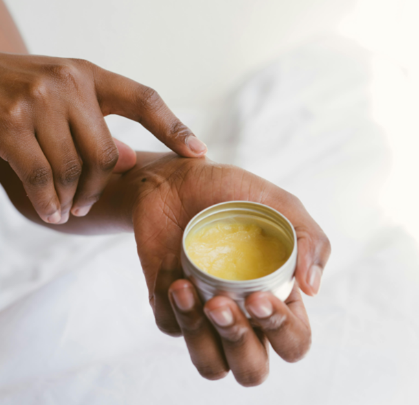
Formulating botanical skincare? 🌼
Arnica Flower and Calendula are classic botanicals used in creams, salves, and skincare products. These flowers contain natural compounds that may contribute to soothing and skin-supporting properties in cosmetic formulations.
Explore our botanicals:
Arnica Flower → Arnica Flower Ready for Cosmetic Application
Calendula → Calendula Ready for Your Next Herbal Formulation
-
Yes, arnica and calendula may be used together in topical formulations depending on the desired product characteristics. Each ingredient contributes different compounds, and compatibility is determined by formulation requirements and intended application.
-
Arnica (Arnica montana) and calendula (Calendula officinalis) are both used in topical formulations, but they differ in composition and application. Arnica contains sesquiterpene lactones such as helenalin and is typically used in external preparations, while calendula contains triterpenoids, flavonoids, and carotenoids and is commonly used in a wider range of skincare formulations. The choice between the two depends on formulation goals and ingredient compatibility.
Black Cohosh and Burdock Root
One example is Black Cohosh (Actaea racemosa), a plant native to North America with a long history of use in traditional herbal practices related to women’s health. Modern research has examined the plant for compounds such as triterpene glycosides and phenolic constituents that may interact with hormone-related pathways and neurological signalling systems. Some clinical studies have examined whether black cohosh could provide comfort during menopause, though researchers stress that results can vary and that more research is needed to fully understand its mechanisms and long-term effects (Franco et al., 2021; Wuttke et al., 2014).
Another root frequently referenced in herbal traditions is Burdock Root (Arctium lappa). Burdock contains polyphenols, lignans, and inulin, a naturally occurring fiber that has attracted attention in phytochemical research. Because of its antioxidant and anti-inflammatory compounds, researchers have investigated burdock extracts for potential roles in supporting skin health. Some studies suggest that these compounds may influence inflammatory pathways associated with certain skin conditions, including psoriasis and other inflammatory skin disorders, though additional clinical research is needed to confirm these effects (Chan et al., 2011; Migliorini et al., 2021).
-
Black Cohosh (Actaea racemosa) has a long history of use in traditional North American herbal practices, particularly in formulations related to women’s health. It is often referenced in connection with menopause-related applications, though individual responses may vary.
-
Some studies have explored Burdock Root’s antioxidant and anti-inflammatory compounds for their potential role in supporting skin health. Research suggests these compounds may influence inflammatory pathways associated with certain skin conditions, though further clinical studies are needed to confirm these effects.
Formulating herbal supplements?
Black Cohosh Root and Burdock Root are traditional botanicals commonly used in supplement formulations and herbal blends. These roots have long histories in herbal traditions and are valued for their diverse phytochemical compounds
Explore:
Black Cohosh → Black Cohosh Root Ready for Supplement Formulation
Burdock Root → Burdock Root Ready for Your Next Application
References:
Chan, Y. S., Cheng, L. N., Wu, J. H., Chan, E., Kwan, Y. W., Lee, S. M. Y., Leung, G. P. H., Yu, P. H. F., & Chan, S. W. (2011). A review of the pharmacological effects of Arctium lappa (burdock). Inflammopharmacology, 19(5), 245–254. https://doi.org/10.1007/s10787-010-0062-4
Efstratiou, E., Hussain, A. I., Nigam, P. S., Moore, J. E., Ayub, M. A., & Rao, J. R. (2012). Antimicrobial activity of Calendula officinalis petal extracts against fungi and bacteria. Complementary Therapies in Clinical Practice, 18(3), 173–176. https://doi.org/10.1016/j.ctcp.2012.02.003
Franco, O. H., Chowdhury, R., Troup, J., Voortman, T., Kunutsor, S., Kavousi, M., & Oliver-Williams, C. (2021). Use of plant-based therapies for menopausal symptoms: A systematic review. Maturitas, 143, 55–62.
Kriplani, P., Guarve, K., & Baghael, U. S. (2017). Arnica montana L.: A plant of healing—A systematic review. Journal of Pharmacy and Pharmacology, 69(8), 925–945. https://doi.org/10.1111/jphp.12724
Migliorini, F., et al. (2021). Phytochemical and pharmacological activities of Arctium lappa: A review of its potential in dermatological conditions. Phytotherapy Research.
Polley, S., Bhattacharyya, M., Halder, S., Bera, S., Easmin, S., & Bhattacharyya, A. (2025). Exploring the therapeutic efficacy of Aloe vera: A pharmacological perspective. Journal of Pharmacognosy and Phytochemistry, 14(1), 309–315.
Preethi, K. C., & Kuttan, R. (2009). Wound healing activity of flower extract of Calendula officinalis. Journal of Basic and Clinical Physiology and Pharmacology, 20(1), 73–79. https://doi.org/10.1515/JBCPP.2009.20.1.73
Wuttke, W., Seidlová-Wuttke, D., & Gorkow, C. (2014). The Cimicifuga preparation BNO 1055 vs. conjugated estrogens in a double-blind placebo-controlled study: Effects on menopausal symptoms. Maturitas, 77(3), 232–238.
Yadav, A. (2025). Pharmacological properties of Aloe vera: A review. International Journal of Pharmaceutical Research.